competitive bidding machinery repair India cost savings factory
Factory downtime costs lakhs per hour. Learn how competitive bidding machinery repai gets resolved fast. MachineryFix dispatches verified experts quickly.

MachineryFix
Industrial Repair & Maintenance Experts · 2 July 2026
Need this fixed?
Certified technicians, dispatched from our Hyderabad hub.
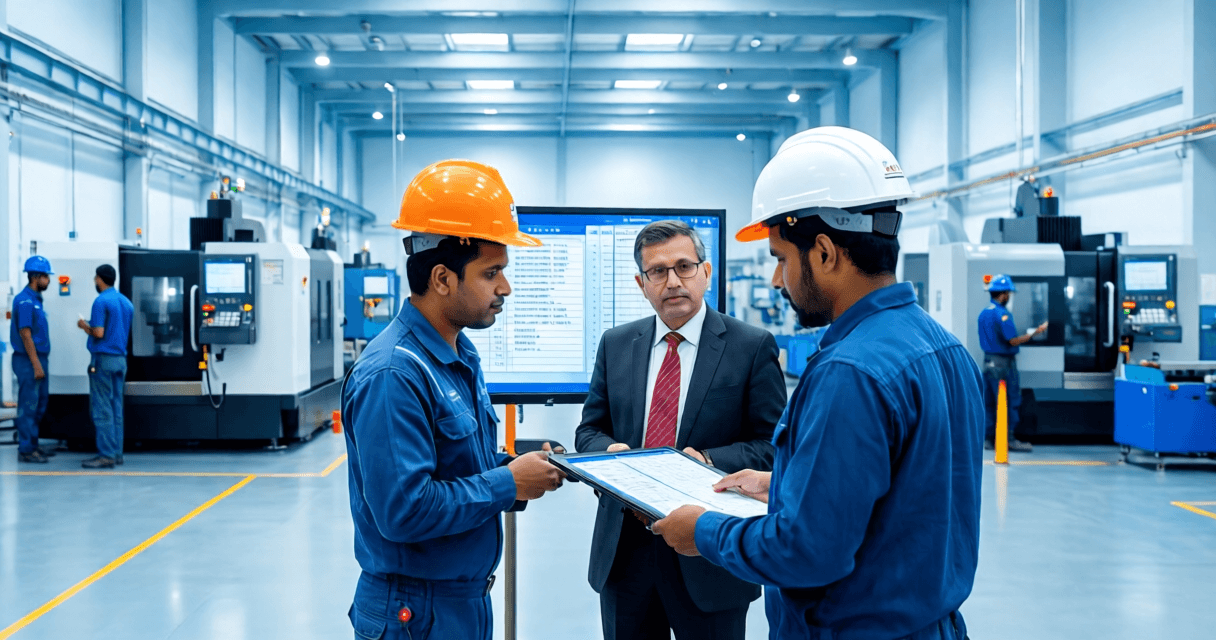
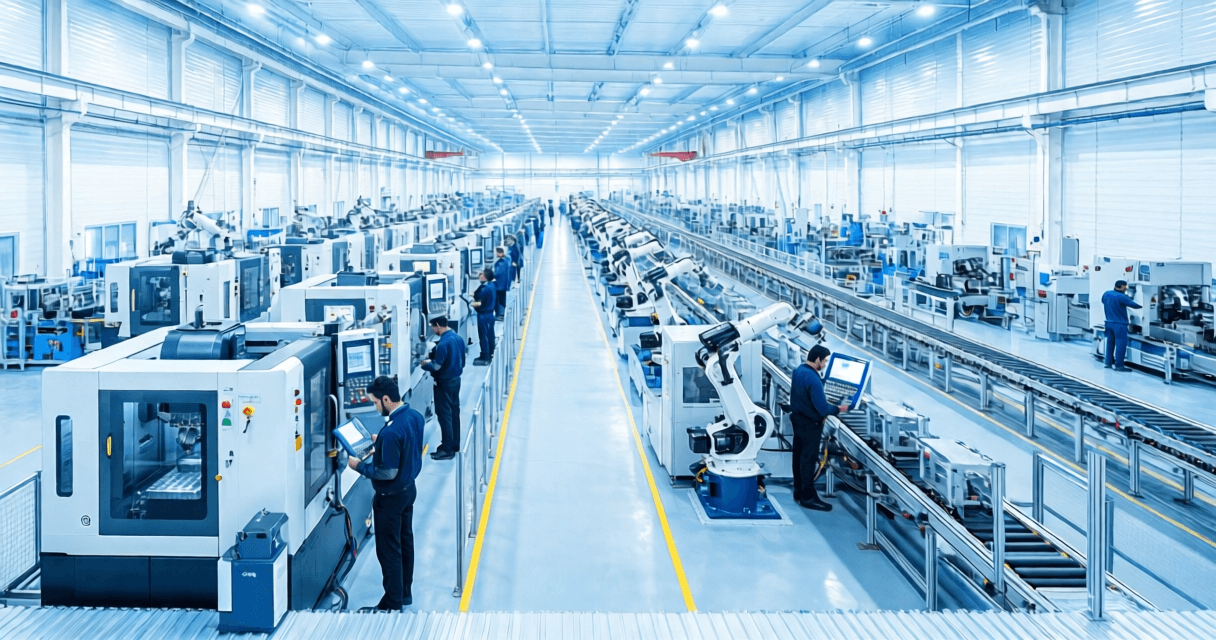
***🚨 FACTORY EMERGENCY ALERT: Downtime in India does not just cost production; it can bleed a business dry. For every hour a critical machine—be it a CNC Lathe or a Hydraulic Press—is stalled, the financial loss easily exceeds ₹50,000 and can climb past ₹5 lakh. This stark reality makes reliable competitive bidding machinery repair an operational imperative, defining modern manufacturing survival. In India’s hyper-competitive MSME environment, minimizing Mean Time To Repair (MTTR) remains the single most crucial metric for sustained growth. If current emergency repair processes rely on calling local contacts who promise "by tomorrow," the factory is already hemorrhaging capital. Modern industrial upkeep demands immediate, verifiable expertise—a capability set by dedicated platforms like MachineryFix.
Understanding the Failure: It’s Never Just One Component
When a machine fails in an Indian factory setting—perhaps a packaging line suddenly jamming or a compressor losing pressure mid-shift at a MIDC cluster—the fault rarely rests with a single worn belt or overheated bearing. Industrial failure typically results from multiple compounding factors requiring advanced diagnostics to fully unravel the root cause. A plant manager’s immediate instinct might lead them to replace the visibly broken part, but this approach often creates "band-aid" repairs that fail again within weeks, costing more time and money than a proper diagnosis ever would.
A skilled technician must look beyond the obvious symptom (the noise, the error code) and investigate the entire failure chain. For instance, if a CNC machine exhibits visible chatter marks on its finished product, the simple fix might involve sharpening the tooling. However, an experienced diagnostician using the Digital Service Catalogues will immediately check for potential issues like spindle runout, fixture misalignment, or even subtle inconsistencies in the power supply voltage—issues often exacerbated by localized grid fluctuations common across industrial clusters like Uppal or Ambattur.
Understanding failure requires a systematic approach: - Symptom Mapping: Documenting exactly when the machine started failing (e.g., only during high load cycles, or randomly). - System Interconnection Analysis: Recognizing how one system (like conveyor belt tension) affects another (like the loading mechanism of a filler). - Historical Data Review: Accessing previous repair logs to identify recurring weaknesses—a key capability provided by MachineryFix’s comprehensive digital logging.
Consider a facility in Rajkot where a textile unit's main weaving loom stalled repeatedly. The initial diagnosis pointed solely to motor overload. However, the expert quickly noted that high monsoon humidity levels (a major regional factor) were causing minor corrosion on electrical junction boxes—the true systemic weakness. By identifying this underlying environmental vulnerability, they corrected the issue permanently, preventing future breakdowns and saving thousands in recurring emergency calls. Facilities must shift their focus from reactive component replacement to proactive system integrity analysis. This level of deep technical insight defines an industrial expert.
Immediate Response Steps: Speed is Everything
In the high-stakes world of MSME manufacturing, time functions as direct revenue. When the alarm sounds—the machine screams to a halt, the conveyor belt goes slack, or the hydraulic press refuses its cycle—every minute counts towards minimizing downtime. Traditional emergency responses often suffer from fragmented supply chains and unverified expertise. A foreman might call three different local contacts, each promising rapid service but failing to deliver a cohesive plan or accurate ETA. This chaotic process is financially unsustainable.
The ideal immediate response must be structured, transparent, and hyper-efficient. It requires a centralized command system capable of instantly matching the precise breakdown with certified talent, regardless of the location within India. Technology transforms operational panic into predictable productivity.
A proper emergency protocol involves these critical steps: 1. Precise Problem Definition (Step 1): The factory must immediately gather specific data: machine make and model, exact error codes displayed on the panel, the physical location of the failure, and a clear description of symptoms. Vague descriptions guarantee vague diagnoses. 2. Instant Expert Matching (Step 2): Instead of calling contacts based solely on reputation, one needs an algorithm that factors in proximity, specialization (e.g., specific model of Lathe Machine), current availability, and verified skill level. This is the core function of MachineryFix’s Intelligent Dispatch Engine. 3. Transparent Bidding & ETA (Step 2 continued): The best service must balance reliability with cost control. Being able to compare proposals from multiple certified experts while maintaining financial oversight via competitive bidding empowers the plant manager to make an informed decision that balances savings with guaranteed speed. 4. Verified Arrival (Step 3): The technician who arrives must not only be skilled but also verified. A crucial safety and reliability measure involves the physical identity verification of the expert at the factory gate, ensuring interaction with a genuine professional from the Vetted Technician Network.
The stress of waiting for an unknown crew dissipates when MachineryFix commits to a fast response time. This allows operational teams to focus on recovery, knowing that expert help is en route. For critical emergencies happening day or night, their 24/7 emergency support capability provides unparalleled assurance. If immediate assistance is required outside standard business hours, contacting the dedicated WhatsApp number: +91 70133 33007, ensures continuity of care.
Common Root Causes: Beyond Simple Wear and Tear
Many assume machine breakdown stems merely from age or overuse, yet industrial failure in India—particularly within MSME settings—is often linked to systemic environmental stresses that accelerate wear far beyond global averages. These nuanced root causes are what a standard repair shop might overlook but which an experienced industry professional must identify. Ignoring these deeper issues guarantees recurring breakdowns.
Three major categories of common, yet frequently underestimated, root causes include:
1. Environmental Contaminants (The Indian Factor) India’s industrial environments present unique challenges due to rapid development and varied infrastructure. Dust ingress remains perhaps the most pervasive issue. Fine particulate matter—from construction dust outside or from raw materials processed inside—infiltrates bearings, electrical panels, and sensitive mechanical linkages. This foreign material acts as abrasive grit, accelerating bearing wear exponentially and causing premature failure in gearboxes and motors. Furthermore, fluctuating monsoon humidity levels can initiate minor galvanic corrosion on exposed metallic components, compromising structural integrity over time.
2. Power Quality Issues (The Voltage Fluctuation Challenge) Unlike stable industrialized nations, many Indian factories contend with inconsistent power quality. Sudden voltage dips, spikes, or harmonic distortions stress electric motors and sensitive electronic controls far more intensely than continuous low-level use. A motor repeatedly tripping due to an electrical fault often signals poor power conditioning rather than mere mechanical overload. Addressing this requires specialized knowledge of industrial electrical engineering integrated directly into the machine repair process.
3. Operational Misalignment (The Human/Process Factor) Sometimes, advanced machinery breaks down because a gap exists in Standard Operating Procedures (SOPs). This could involve improper loading sequences on a hydraulic press, failure to adequately clean molds after use, or using materials outside the machine’s specified tolerance range. A comprehensive repair service must therefore include not only fixing the broken part but also reviewing and updating the operational protocols for the machinery involved.
A plant manager at Kattedan Industrial Area understood this deeply. Their initial diagnosis was mechanical; however, by having their issue analyzed through the lens of environmental and process failure—aided by MachineryFix’s expert assessment—they realized that incorporating dedicated dust filtration systems and voltage stabilizers into their routine maintenance plan saved them from years of recurring electrical faults.
Preventive Actions: Moving Beyond Reactive Repair
The highest measure of efficiency in manufacturing is achieving zero breakdowns. This necessary shift from reactive repair (fixing what's broken) to predictive maintenance (preventing things from breaking) defines a modern, profitable facility. For MSMEs navigating tight margins, preventative action demands structure and financial planning; it cannot be an ad-hoc expense.
The key to effective prevention lies in institutionalizing structured Annual Maintenance Contracts (AMCs). These contracts extend far beyond simply changing oil every six months; they involve deep data analysis of the machine’s operational profile.
Key elements of a robust preventive maintenance strategy include: - Condition Monitoring: Implementing sensors and regular checks on critical parameters like vibration levels, temperature gradients, and fluid contaminant levels. This enables detection of failure signatures long before catastrophic breakdown occurs. - Digital Service Logging for Compliance: Maintaining an immaculate, auditable record of every piece of preventative work done. The Digital Service Catalogue provided by MachineryFix is invaluable here; it not only streamlines the repair process but also provides perfect documentation required for ISO 9001 and other compliance audits—a major asset when seeking finance or attracting larger clients. - Component Lifecycle Management: Systematically tracking the expected lifespan of high-wear components (bearings, seals, belts) based on actual usage hours and environmental stress factors observed in that specific industrial cluster (e.g., predicting bearing failure faster in a dusty Ambattur setup versus a clean MIDC Pune facility). - Staff Training Integration: Using scheduled maintenance windows to train the factory's own junior engineers or technicians, ensuring knowledge transfer and building internal capacity.
This proactive model drastically reduces Mean Time To Repair (MTTR) because when an issue *does* arise, the history of preventative care is already documented. This level of sustained reliability provides a tangible competitive edge in tender submissions and client retention across industries like CNC machining and packaging.
How MachineryFix Helps: The Integrated Solution for Modern Industry
The inherent complexities of managing industrial machinery repair—from volatile pricing to finding genuinely skilled, trustworthy experts 24/7—are precisely the pain points that MachineryFix was engineered to resolve. It functions not merely as a directory; it is an end-to-end operational utility designed specifically for the realities of Indian factory floor management.
MachineryFix addresses these critical pain points through several unique technological and logistical differentiators:
1. Eliminating Uncertainty with Verified Expertise The platform’s core strength is its Vetted Technician Network. Every expert undergoes a rigorous process, including mandatory identity verification and specialized skill evaluations relevant to the machinery they service (be it Lathe Machines or Conveyor Systems). This eliminates the risk associated with unqualified local "fixers." The collective expertise pool guarantees high quality; this reliability has earned MachineryFix an impressive 4.8/5 average rating among users across industrial zones.
2. Speed and Efficiency through Technology The heart of the operational advantage is the Intelligent Dispatch Engine. When a failure occurs, factory personnel input the problem data (Step 1). Within minutes, the algorithm instantly matches the precise breakdown with the nearest certified expert who confirms availability. This proximity-based matching dramatically reduces time spent on logistics and waiting—the biggest cause of downtime. The platform guarantees rapid response for critical repairs, providing instant operational relief across India.
3. Financial Control via Competitive Bidding Historically, factory managers often faced pressure to pay premium rates dictated by a single available vendor simply because they desperately needed uptime. MachineryFix introduces competitive bidding. By allowing comparison of multiple expert proposals and ETAs before accepting any service, it empowers the plant manager to achieve significant cost savings—as demonstrated by Priya Kumari at Jeedimetla Cluster who saved 20% on her last repair through this single feature.
4. Comprehensive Lifecycle Management The platform facilitates complete transparency through: - **Digital Service Catalogues:** Every diagnostic step, every part replaced (sourced with OEM-grade quality), and the final sign-off is logged digitally. This creates a perfect audit trail for ISO compliance, providing peace of mind to management teams like Anita Desai from Cherlapally. - **Predictive Maintenance AMC:** Instead of waiting until failure strikes, managers can opt into structured annual contracts that bundle preventative checks, guaranteeing optimal machine health and predictable budgeting.
Ultimately, MachineryFix transforms the chaotic, high-risk process of emergency industrial repair into a controlled, data-driven operational workflow. This blend of speed, verified skill, and financial control makes it indispensable for any serious MSME factory aiming to scale efficiently while minimizing downtime losses that could otherwise threaten solvency.
Why MachineryFix Is India's Fastest Repair Network
The difference between merely surviving a breakdown and thriving through continuous operation rests entirely on the quality and speed of your repair partner. MachineryFix was engineered from the ground up not just to service machinery, but fundamentally to restore operational continuity—to save revenue when it matters most. We understand that in this business, even a 12-hour delay translates into hundreds of thousands of rupees lost profit.
Our foundational promise remains simple: Fix Industrial Breakdowns FAST. Our entire ecosystem is built around minimizing the Mean Time To Repair (MTTR) using verifiable data points and advanced technology. Unlike general service providers, we specialize exclusively in industrial machinery repair across 14 critical sectors, including CNC Machines, Hydraulic Presses, and complex Conveyor Systems.
Our distinct advantage lies in our commitment to transparency and trust: - Speed & Reliability: The Intelligent Dispatch Engine ensures that whether the factory operates in the densely packed industries of Ambattur or a growing cluster like Kattedan, an expert reaches the site quickly. - Trust & Verification: The mandatory identity-verified and skill evaluation process guarantees that every technician booked is fully vetted and skilled for the specific machine model required. - Financial Empowerment: The competitive bidding module gives operational heads control over expenditure, ensuring repair services are high quality without being unnecessarily inflated by desperation or lack of market transparency. - Client Success Stories: Our success speaks volumes: "Downtime reduced from days to hours," stated Rakesh Sharma, a testimonial reflecting the tangible impact our platform has on factory profitability across various industrial zones.
For plant managers and maintenance heads who view downtime not as an accident but as a quantifiable financial risk, MachineryFix provides the robust, digital shield required for modern manufacturing. It empowers businesses to transition from expensive, chaotic emergency calls to predictable, efficient, and profitable operational management. Stop managing crises; start mastering production flow.
--- Do not let unpredictable breakdowns dictate your factory’s profitability. Take immediate control of your maintenance expenditure and guarantee rapid restoration of productivity with India's leading industrial repair platform. To book a verified expert or learn more about preventative AMC services, visit machineryfix.in. For immediate 24/7 emergency support, call or WhatsApp us at +91 70133 33007.
Published on
India's on-demand industrial repair platform — certified technicians dispatched fast.
Frequently Asked Questions
How quickly can I get a technician for competitive bidding machinery repai in India?
MachineryFix's Intelligent Dispatch Engine matches your breakdown with the nearest verified technician in minutes. Technicians are dispatched quickly across India. Book at machineryfix.in or WhatsApp +91 70133 33007.
Are MachineryFix technicians verified and background-checked?
Yes. Every technician on MachineryFix passes Aadhaar-based identity verification plus rigorous skill evaluation before being onboarded. This is why MachineryFix maintains a 4.8/5 average rating from factory clients across India.
What is a Predictive Maintenance AMC and how does it work?
A Predictive Maintenance AMC (Annual Maintenance Contract) from MachineryFix covers scheduled inspections, condition monitoring, and priority emergency response. It reduces unplanned breakdowns by 40-60% and is ideal for factories running critical CNC, hydraulic, or textile machines.
How much does industrial machine repair cost in India?
Cost depends on the machine, the fault and the parts required. MachineryFix uses competitive bidding — you receive upfront proposals from multiple local experts before committing, so you always get a fair price.
What documentation does MachineryFix provide after a repair?
MachineryFix generates a Digital Service Catalogue entry for every job — logging the fault, diagnosis, parts replaced, technician ID, and timestamps. This digital job card is accepted for ISO 9001 and GMP compliance audits.
Can I rehire the same technician for future jobs or an AMC?
Yes. MachineryFix's re-hiring feature lets you save a preferred technician directly to your account. You can rebook them for follow-up work, recurring maintenance, or a full AMC contract — keeping your factory history consistent.
Need a certified technician?
Get one dispatched fast.